


The Backbone of Project Success
Construction management is the engine that drives successful building projects from blueprint to reality. It is a specialized discipline focused on planning, coordinating, and overseeing every facet of construction to deliver projects safely, efficiently, and on schedule. For Albait Constructions, robust management practices ensure that client visions are realized with unparalleled professionalism and transparency.
Core Functions of Construction Management
Project Planning
Project planning establishes the roadmap for execution. Construction managers develop detailed project scopes, timelines, and resource plans, accounting for each phase of construction from pre-development to handover. Effective planning mitigates risks, prevents delays, and helps allocate budgets and resources with precision.
Budget and Cost Control
A fundamental pillar of construction management is cost control. Managers oversee the financial aspects, tracking expenditures against budgets, negotiating contracts, and choosing cost-effective procurement strategies to avoid overruns.
Scheduling and Coordination
Time is a critical resource in construction. Construction managers create and maintain master schedules, synchronize work between multiple teams, and anticipate roadblocks that could disrupt project timelines. Their skill in coordination ensures that every subcontractor and supplier is aligned, minimizing wasted effort and maximizing productivity.
Quality Assurance
Quality management involves setting and enforcing standards for every aspect of the build. By implementing rigorous quality checks, conducting routine site inspections, and monitoring workmanship, construction managers ensure that final results meet or exceed industry codes and client expectations.
Safety Management
Construction sites host complex operations and potential hazards. Effective safety management includes establishing and enforcing strict protocols, training staff, and conducting frequent safety audits. This emphasis protects both workers and the finished structure, upholding a culture of responsibility and care.
Change Management and Documentation
As projects evolve, construction managers assess necessary modifications, manage change orders, and maintain comprehensive documentation of approvals, specifications, contracts, and communications. Organized recordkeeping streamlines compliance and accountability throughout the project lifecycle.

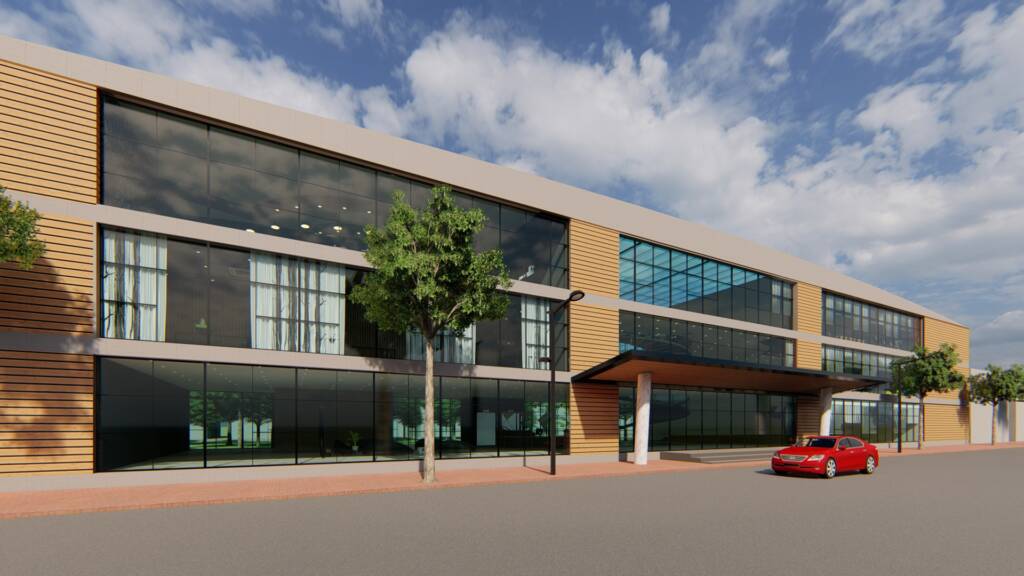
Every building project passes through distinct phases, each demanding focused management:
Commissioning and Closeout: The project culminates in exhaustive system testing, final inspections, and client walkthroughs—ensuring every detail functions as intended before handover.
Design and Preconstruction: Construction managers coordinate with architects and engineers to finalize drawings, secure permits, and outline project objectives.
Procurement: Strategic sourcing of materials, equipment, and labor is essential for meeting project requirements without delay.
Execution: During actual construction, managers supervise daily site activities, enforce safety protocols, and monitor progress against plans.
Challenges and Solutions
Construction management presents unique challenges, including regulatory hurdles, site conditions, and evolving client requirements. Strategic planning, flexibility, and strong leadership are essential to overcoming these obstacles, ensuring outcomes remain aligned with client goals and industry best practices.
At Albait Constructions, construction management is about orchestrating complexity into harmony. Through disciplined planning, rigorous quality control, and unwavering client focus, the team delivers transformational spaces from foundation to finishing touch. Every project benefits from a holistic, transparent process where risks are minimized, value is maximized, and client confidence is consistently earned.